About
Shop
FAQ
Freebies
Gallery
Small-Plot Intensive gardening – First Look
Q. I am looking at several options in gardening and hope you can clarify something – I am mainly looking at the Mittleider and the SPIN Farming www.spinfarming.com processes. The two do not appear to be exclusive of each other but I know no nothing of ether program (material ordered) so I am hoping you can provide any comparison/contrast if there is any and confirm if the two can be used in a single gardening system?
A. I didn’t have much time to check it out, but I will do more later if possible before leaving for Armenia and the Republic of Georgia.
It appears from the first glance that there are many areas of compatibility, and that you can learn much about marketing your crops from this website.
Two things I noted include
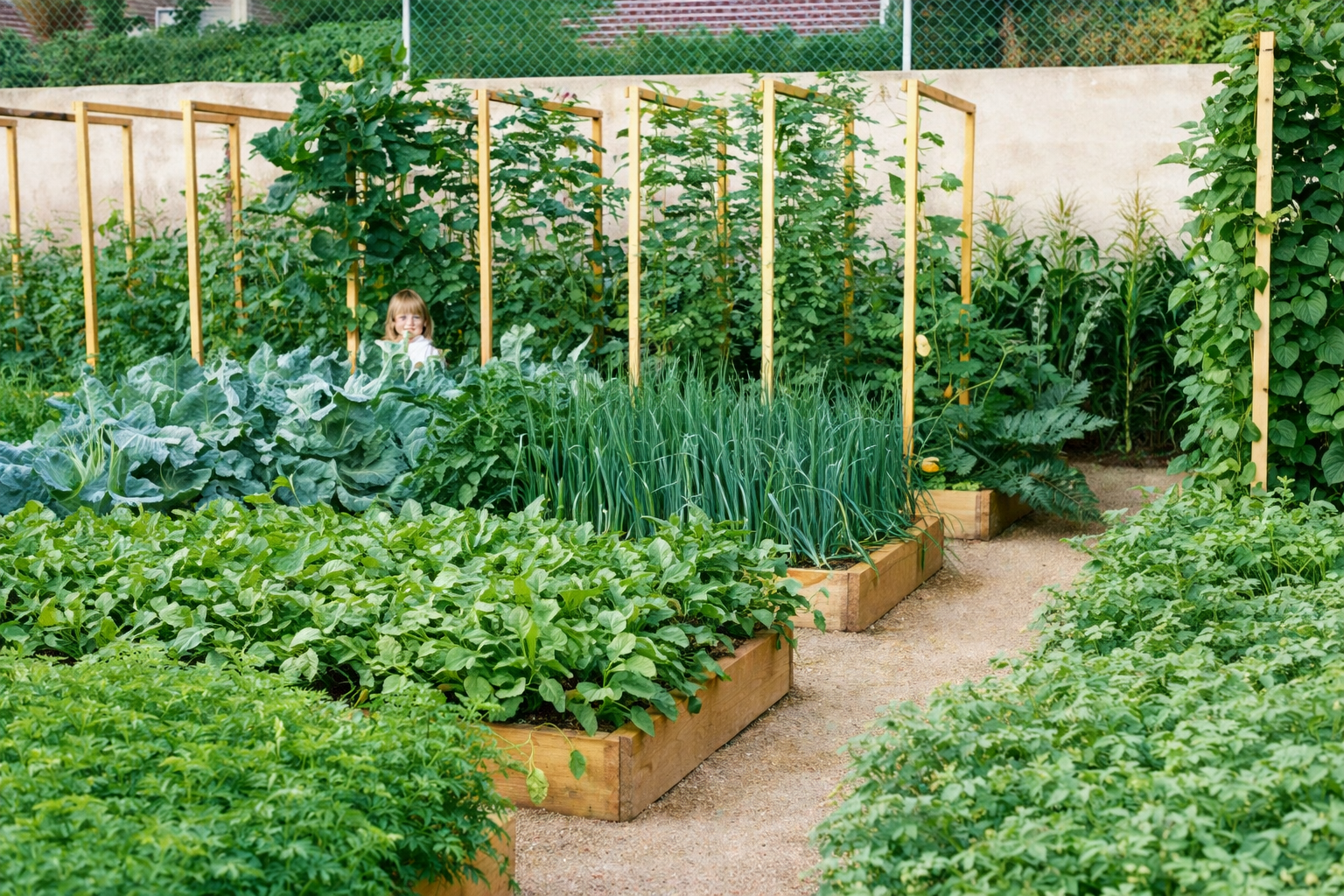
1) they use beds that are 2′ wide with 2′ aisles. This is not as efficient as using narrower beds and wider aisles. Beds of 18″ – tip of ridge to tip of ridge – which gives a 12″-wide planting area, are ideal for plant spacing, feeding, weeding, and watering. Wider aisles are also better. If you are growing smaller plants exclusively you can use 2′ – or even narrower – aisles, but when you plant large plants, such as zucchini, and climbing plants, you need wider aisles to provide adequate space and light for the plants as they reach maturity. I suspect our plant spacing may be different (closer) than theirs also.
2) They also use only organic materials to feed their plants. This certainly can work, but has drawbacks and hazards. Most manure and compost has not been sterilized, and therefore can have diseases, bugs, and weed seeds in it, which will flourish in your garden and substantially reduce your yield. Unless the organic material HAS been composted very efficiently in an aerobic process, which requires sustained temperatures of 140+ for several weeks, you get the aforementioned problems, plus you get much lower nutritional value.
And of course you do not know what or how much you are feeding your plants, since every batch of manure/compost is different, and because none of them have been analyzed to determine their nutrient content. You can expect the manure to have much LESS nutrition than the original plant contained because of going through the cow, then sitting in a compost pile for months in the rain and snow.
Another problem with using organic materials – typically done one time before planting – is that several inches of manure/compost often contain much MORE mineral salts than are good for tiny young plants, and sometimes germination and growth are inhibited or the plants even killed with too much of a good thing. Then, in a couple of months, when large and ever-bearing plants need constant nutrition for producing several months of fruit harvest, the nutrition from the one-time-applied organic material is pretty much used up, and your plants stop producing – right when they should be really getting into it!
If you can learn and apply the growing procedures as demonstrated to be extremely successful in 32 countries around the world over the past 45 years, and use the marketing and other skills taught by these folks, you can have the best of both.
Is This Gardening Method Organic?
Q. Where can I get information that tells how the Mittleider Method is considered organic?
A. Opinions on whether or not the Mittleider Method is organic run the gamut. Some organic enthusiasts poo-poo it (Pun intended) as not being “pure” because something other than manure and compost are used.
While many people consider it “the best of organic” BECAUSE it does NOT put animal excrement and ground-up body parts into the garden, but instead uses natural mineral nutrients – all of which are approved by the USDA for use in organic gardening – and applies just what the plants need throughout the growing cycle, instead of piling on the manure all at once at the beginning.
In addition to the manure user not knowing what nutrition his plants are getting, applying everything before planting often burns germinating seeds and tiny seedlings, and within 6-8 weeks the garden is starving.
The reason the garden is often hungry in a manured garden is that rain and irrigation leach out the heavily applied fertilizer salts from the garden soil. And they take them to the downstream water supply, often causing a toxic buildup of nitrogen and other chemical salts.
You are invited to compare a Mittleider garden with a garden that uses manure exclusively and choose. We happily promise the world “a great garden in any soil, with NO soil amendments.”
There are several articles in the FAQ section of this website that discuss these issues in more detail.
Consider carefully, because I believe the day is fast approaching when you will NEED to live on what you can produce from your garden.
And I for one am getting NEXT YEAR’s fertilizer NOW.
Jim Kennard